Certified Plumbing Services in Tacoma for Homes and Businesses
Critical Plumbing Services: Keeping Your Home's Plumbing Systems in Top Condition
Keeping up a household plumbing systems is crucial for general functionality. Property owners often encounter typical problems like leaks, blockages, and underperforming fixtures. Regular inspections can identify these issues before they escalate. Recognizing the value of regular plumbing maintenance can produce considerable financial savings and enhanced comfort. Yet, a large number of people are unsure of how to choose the right professional or which services truly matter. Investigating these factors can provide clarity and peace of mind for homeowners.
Frequent Plumbing Challenges Homeowners Deal With
Homeowners often encounter numerous plumbing issues that may interfere with everyday routines. Common problems include leaky faucets, which not only waste water but also lead to rising utility costs. Clogged drains present another frequent challenge, typically resulting from hair, grease, or debris blocking the pipes. Moreover, toilet malfunctions, such as constant running or improper flushing, can create significant inconvenience.
Failing water heaters often lead to inconsistent hot water supply, affecting daily routines. Moreover, ruptured pipes may result in significant water destruction, demanding urgent intervention. In addition, sewer line problems can result in foul smells and possible health risks when not treated in a timely manner. Any of these issues, if unaddressed, can grow into more severe problems, making it essential for homeowners to be aware of these common plumbing concerns.
Why Regular Plumbing Services Are Vital for Homeowners
Regular plumbing services play a vital role in maintaining the integrity of a home's plumbing system. Routine checkups and maintenance enable early detection of issues before they turn into significant repair costs. By tackling small leaks, rust, and blockages promptly, homeowners can avoid major damage to their homes.
Furthermore, routine upkeep extends the long-term performance of plumbing systems and appliances, allowing them to perform optimally. This proactive approach not only minimizes expenses down the line but also boosts overall water quality and lowers the likelihood of mildew and mold buildup.
Homeowners who commit to scheduled plumbing maintenance can experience peace of mind, knowing that their systems are working properly. Moreover, routine upkeep can result in improved property value, as prospective buyers often look for well-maintained plumbing systems. Ultimately, scheduled plumbing services are a critical element of responsible homeownership.
Top Emergency Plumbing Services You Need to Know
What should you do when a plumbing emergency occurs? Many homeowners are left feeling overwhelmed and anxious, dealing with problems like burst pipes, flooding toilets, or serious leaks. To combat these challenges, several essential emergency plumbing services are fundamental. To begin with, round-the-clock emergency response is essential, ensuring that help is available round-the-clock. Furthermore, water damage restoration services work to lessen the consequences of flooding, protecting property and belongings. Moreover, drain cleaning services are able to resolve unexpected clogs that cause backups, providing instant solutions. Leak detection services are also essential, locating concealed leaks before they develop into major issues. To conclude, sewer line repairs are capable of eliminating severe health dangers by tackling root infiltration and structural breakdowns. Understanding these critical emergency plumbing services prepares homeowners to take fast and decisive action when problems emerge, preserving the safety of their homes and overall well-being.
Selecting the Best Plumbing Expert
How can someone ensure they choose the correct plumbing expert for their situation? Start by researching local plumbers, prioritizing those with positive reviews and ratings. A reputable plumber should possess the necessary licenses and insurance, securing compliance with local regulations and offering protection against potential liabilities.
Additionally, examine their experience and specialization. Several plumbers may have strengths in residential services, while some concentrate on commercial systems or particular plumbing concerns. Gathering estimates from various experts can help assess costs and service offerings.
Ultimately, effective communication is essential; a reliable plumber should be easy to talk to, prepared to respond to inquiries, and provide clear explanations of the necessary repairs. By considering these factors, household owners can confidently choose a experienced plumbing specialist who satisfies their individual requirements and guarantees the smooth functioning of their home plumbing systems.
Ways to Avoid Plumbing Problems in Your Home
Selecting the right plumber is just the beginning in maintaining a well-maintained plumbing system. Residents can adopt a variety of proactive strategies to minimize plumbing problems. Periodically examining pipes for damage or wear is important; catching issues early can reduce costs and effort. Additionally, ensuring that drains are free from debris and grease will help maintain proper water flow. It is recommended to place strainers in tubs and sinks to trap food particles and hair. Homeowners should also be cautious about items flushed down the toilet, refraining from flushing items that lead to blockages. Additionally, periodic maintenance, such as inspecting and flushing the water heater for sediment removal, can extend its lifespan. Finally, knowing the location of the main water shut-off valve is crucial for handling urgent situations promptly. By applying these practices, residents can substantially lower the risk of unexpected plumbing problems.
What to Anticipate During a Professional Plumbing Inspection
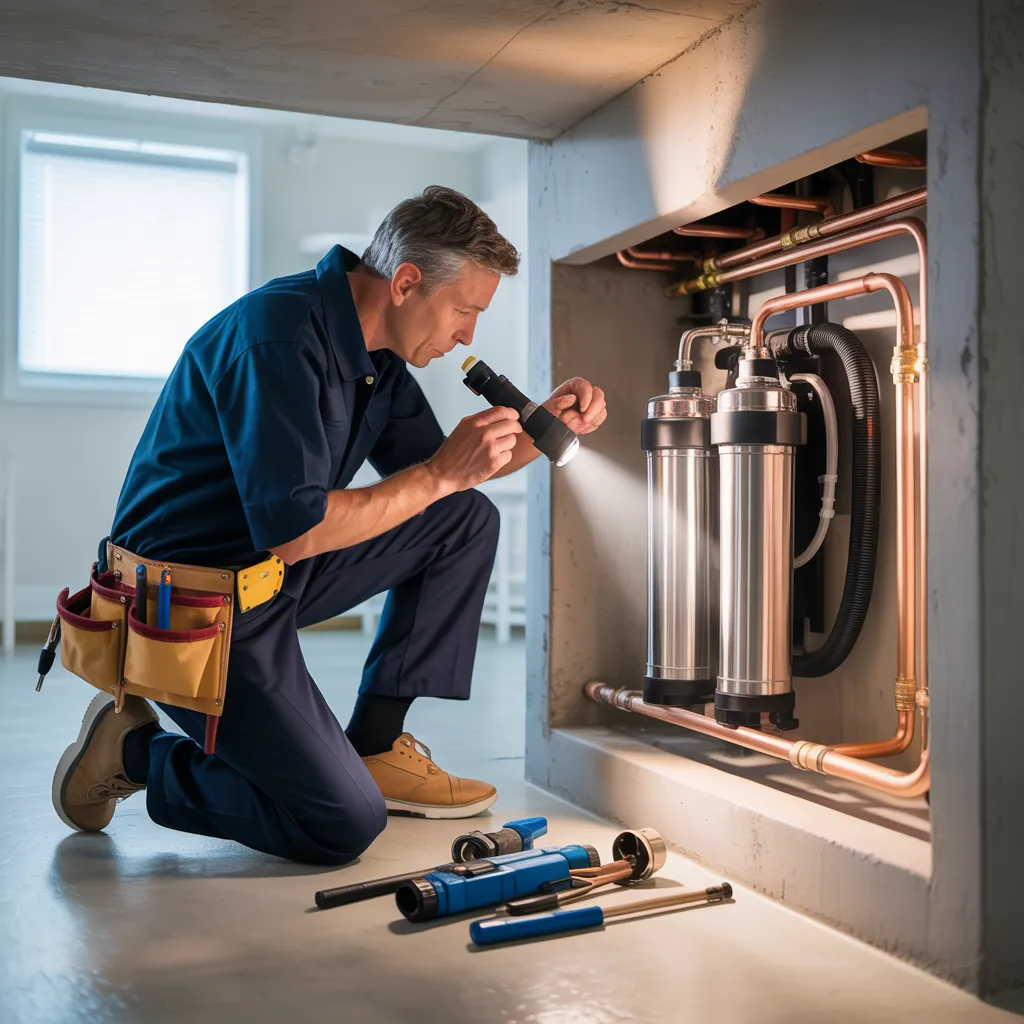
When undergoing a professional plumbing inspection, property owners can anticipate a comprehensive evaluation of their plumbing systems. Inspectors typically identify frequent problems such as clogs, leaks, and corrosion, while also offering critical maintenance guidance. This procedure not only uncovers present concerns but also assists in avoiding future plumbing issues.
Overview of the Inspection Process
A comprehensive plumbing assessment is essential for preserving the condition of a home's plumbing infrastructure. As part of the inspection process, a certified plumber assesses various components, including fixtures, pipes, and appliances. The evaluation starts with a visual assessment to spot any visible concerns, followed by pressure checks to confirm there are no leaks in the system. The plumber may also utilize advanced cameras to inspect hidden pipes, offering a comprehensive view of the overall plumbing structure. Water flow and drainage are tested to guarantee peak performance. Furthermore, the licensed inspector checks for compliance with local plumbing codes and regulations. Property owners are provided with a complete written report summarizing the findings, which assists with upcoming repairs and maintenance. This preventative strategy reduces the risk of costly plumbing emergencies.
Common Problems Found
Detecting typical plumbing concerns is a critical aspect of a comprehensive evaluation. During an assessment, technicians generally check for pipe leaks, which can cause structural water damage and mold proliferation. Blocked drains are another prevalent problem, frequently caused by tree root intrusion or debris buildup. Moreover, aging fixtures, such as faucets and toilets, may exhibit signs of wear, including rust or corrosion. Inspectors also evaluate the water pressure throughout the system, confirming they remain within proper parameters, as both low and high pressure can point to more serious concerns. Finally, they examine the comprehensive status of the water heater, looking for evidence of rust or leaks. Tackling these frequent problems promptly can mitigate the risk of severe damage and high repair costs down the line.
Recommended Maintenance Tips
Regular plumbing inspections provide homeowners with valuable insights into the condition of their home systems. During a comprehensive plumbing inspection, plumbers assess key components such as faucets, pipes, and water heaters. They look for leaks, blockages, and evidence of deterioration, which can cause significant damage if left unaddressed. Homeowners can receive advice about maintaining top efficiency, including consistent drain maintenance and pressure monitoring. Inspectors frequently assess the complete plumbing structure to identify potential issues before they escalate. It is advisable to schedule inspections every six to twelve months to guarantee systems remain in good working order. By adhering to these maintenance tips, homeowners can increase the longevity of their plumbing and prevent sudden plumbing failures.
Answers to Common Questions
How Often Do My Plumbing Fixtures Need Replacing?
Specialists suggest upgrading plumbing fixtures every overview 10–15 years, depending on usage and maintenance. Regular inspections can detect wear and tear, guaranteeing efficiency while protecting against costly repairs or water damage down the line.
What Are the Warning Signs of Hidden Plumbing Leaks?
Indicators of concealed plumbing leaks consist of water stains on walls or ceilings, sudden rises in water bills, damp or moldy odors, and the persistent sound of flowing water. Prompt detection can help avoid further damage and reduce costly repair expenses.
Is It Safe to Use Chemical Drain Cleaners?
The use of chemical drain cleaners carries inherent risks; these products can deteriorate pipes and become hazardous if improperly handled. Following instructions diligently or opting for alternative solutions when clearing blockages is strongly encouraged to promote safety and reliable results.
How Can I Locate My Main Water Shut-Off Valve?
To locate the main water valve, it is advisable to search around the exterior walls of the home, typically in basements, crawl spaces, or garages. It usually appears as a round or lever-operated valve attached to the primary water line.
What Actions Should I Take in a Plumbing Emergency?
When faced with a plumbing emergency, it is important to quickly locate and turn off the main water valve, carefully assess the damage, use towels or buckets to contain any leaks, and call an experienced plumber for emergency help and repairs.